Introduction
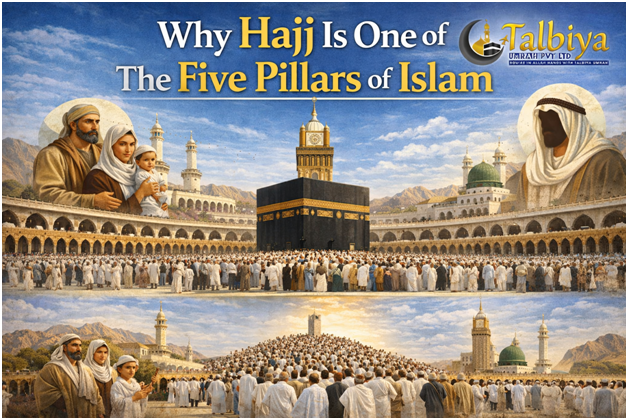
Hajj is the fifth pillar of Islam, a sacred duty that every capable Muslim must fulfill at least once in a lifetime. If physically and financially able. This journey to Mecca is not only a ritual but a divine command that symbolizes devotion, humility, and surrender to Allah. Many often ask, Is Hajj the most important pillar of Islam? While every pillar holds equal value. Hajj plays a special role in uniting Muslims from every corner of the world, erasing differences in status and culture. It cleanses past sins, strengthens faith, and reflects sacrifice in honor of Prophet Abraham’s obedience and Prophet Muhammad’s teachings. This is why Hajj is important in Islam a journey of renewal, equality, and pure worship.
Meaning and Essence of Hajj
This sacred pilgrimage to Mecca is not just a ritual but a living symbol of humility, unity, and renewal of faith. Many often ask, Is Hajj the most important pillar of Islam? While all pillars carry deep meaning. Hajj holds a special place because it mirrors the trials of Prophet Abraham and Hagar, guiding believers toward obedience and trust in God. That is why Hajj is important. It cleanses sins, strengthens spiritual connection, and fosters a global bond among Muslims walking together on the path of righteousness.
When Is the Hajj Performed?
The Hajj is held once every year in the holy Islamic month of Dhul-Hijja. The twelfth and final month of the lunar calendar. This year, Hajj will be observed in the same blessed month, welcoming millions of believers to Makkah. Since Hajj is the fifth pillar of Islam. It carries deep meaning as a duty for every Muslim who is able. Many people often ask, Is Hajj the most important pillar of Islam? While each pillar is essential. Hajj stands apart as a spiritual journey of unity, sacrifice, and complete devotion to Allah.
An Overview of the 18 Stages of Hajj:
Make preparation and intention
Enter into the state of Ihram
Perform Tawaf (7 rounds around the Kaaba)
Walk between Safa and Marwa
Clip or shave hair (Umrah completed)
Rest and engage in prayers
Re-enter Ihram for Hajj
Proceed to Mina
Stand at ‘Arafah (Day of Arafah)
Spend the night under the sky in Muzdalifah
Perform Rami (stoning of the devil)
Offer Qurbani (sacrifice)
Shave or trim the head
Perform Tawaf al-Ifadha
Repeat Rami (stoning of the devil)
Stay overnight at Mina
Perform final Rami (stoning of the devil)
Complete with Tawaf al-Wida (farewell Tawaf)
Connection to Islamic History
Hajj is the fifth pillar of Islam, deeply tied to Islamic history and faith. It revives the journey of Prophet Ibrahim (Abraham), his wife Hajar (Hagar), and their son Ismail (Ishmael), whose trials symbolize sacrifice, patience, and trust in Allah. Later, in the 7th century, Prophet Muhammad purified these sacred rites from pre-Islamic practices and set Hajj as a central act of worship. But why is Hajj performed goes beyond rituals. It renews faith, wipes away sins, and strengthens unity among Muslims worldwide. Many often ask, Is Hajj the most important pillar of Islam? While every pillar holds its own weight, Hajj carries a unique spiritual depth. In truth, why do Muslims do Hajj is to reconnect with God and their global community.
Why It Is One of the Five Pillars
The Five Pillars of Islam are called so because they are the core practices and beliefs that build the foundation of a Muslim’s life.
They provide structure, purpose, and direction to daily actions and acts of worship.
These pillars include:
Shahada – declaration of faith
Salah – ritual prayer
Zakat – giving charity
Sawm – fasting during Ramadan
Hajj – pilgrimage to Mecca
Each pillar strengthens a Muslim’s devotion to God and connection with the community.
Conclusion
Hajj is one of the Five Pillars of Islam because it represents faith, sacrifice, and devotion in their purest form. It is not only a physical journey to Mecca but also a spiritual renewal that deepens a Muslim’s bond with Allah. By following the footsteps of Prophet Ibrahim, Hajar, and Prophet Muhammad, believers learn patience, humility, and obedience. Hajj unites Muslims from every background, erasing worldly divisions and reminding them of equality before God. While every pillar of Islam holds equal importance. Hajj carries a unique power to cleanse sins, inspire devotion, and strengthen the sense of global brotherhood. It is truly a sacred duty that leaves a lasting impact on both the soul and the community.
Choose Your Ideal Hajj & Umrah Package

Introduction
Hajj is the fifth pillar of Islam, a sacred duty that every capable Muslim must fulfill at least once in a lifetime. If physically and financially able. This journey to Mecca is not only a ritual but a divine command that symbolizes devotion, humility, and surrender to Allah. Many often ask, Is Hajj the most important pillar of Islam? While every pillar holds equal value. Hajj plays a special role in uniting Muslims from every corner of the world, erasing differences in status and culture. It cleanses past sins, strengthens faith, and reflects sacrifice in honor of Prophet Abraham’s obedience and Prophet Muhammad’s teachings. This is why Hajj is important in Islam a journey of renewal, equality, and pure worship.
Meaning and Essence of Hajj
This sacred pilgrimage to Mecca is not just a ritual but a living symbol of humility, unity, and renewal of faith. Many often ask, Is Hajj the most important pillar of Islam? While all pillars carry deep meaning. Hajj holds a special place because it mirrors the trials of Prophet Abraham and Hagar, guiding believers toward obedience and trust in God. That is why Hajj is important. It cleanses sins, strengthens spiritual connection, and fosters a global bond among Muslims walking together on the path of righteousness.
When Is the Hajj Performed?
The Hajj is held once every year in the holy Islamic month of Dhul-Hijja. The twelfth and final month of the lunar calendar. This year, Hajj will be observed in the same blessed month, welcoming millions of believers to Makkah. Since Hajj is the fifth pillar of Islam. It carries deep meaning as a duty for every Muslim who is able. Many people often ask, Is Hajj the most important pillar of Islam? While each pillar is essential. Hajj stands apart as a spiritual journey of unity, sacrifice, and complete devotion to Allah.
An Overview of the 18 Stages of Hajj:
Connection to Islamic History
Hajj is the fifth pillar of Islam, deeply tied to Islamic history and faith. It revives the journey of Prophet Ibrahim (Abraham), his wife Hajar (Hagar), and their son Ismail (Ishmael), whose trials symbolize sacrifice, patience, and trust in Allah. Later, in the 7th century, Prophet Muhammad purified these sacred rites from pre-Islamic practices and set Hajj as a central act of worship. But why is Hajj performed goes beyond rituals. It renews faith, wipes away sins, and strengthens unity among Muslims worldwide. Many often ask, Is Hajj the most important pillar of Islam? While every pillar holds its own weight, Hajj carries a unique spiritual depth. In truth, why do Muslims do Hajj is to reconnect with God and their global community.
Why It Is One of the Five Pillars
These pillars include:
Conclusion
Hajj is one of the Five Pillars of Islam because it represents faith, sacrifice, and devotion in their purest form. It is not only a physical journey to Mecca but also a spiritual renewal that deepens a Muslim’s bond with Allah. By following the footsteps of Prophet Ibrahim, Hajar, and Prophet Muhammad, believers learn patience, humility, and obedience. Hajj unites Muslims from every background, erasing worldly divisions and reminding them of equality before God. While every pillar of Islam holds equal importance. Hajj carries a unique power to cleanse sins, inspire devotion, and strengthen the sense of global brotherhood. It is truly a sacred duty that leaves a lasting impact on both the soul and the community.
Choose Your Ideal Hajj & Umrah Package
1. Hajj Package 2026 - Shifting
2. Deluxe Hajj Package 2026
3. Short Hajj Package 2026 - Shifting (Economy)
4. Short Hajj Package 2026 - Non Shifting (Deluxe)
5. 15 Days Hajj Package 2026 - Shifting
6. 15 Days Hajj Package 2026 - Non Shifting (Deluxe)