Introduction
Hajj and Umrah are two sacred journeys that lead Muslims to Mecca, Saudi Arabia. While Umrah is optional and can be performed anytime. Hajj is a mandatory act of worship for those who are physically and financially able, forming one of Islam’s five core pillars. Both journeys are filled with divine moments of prayer, reflection, and a deep connection with Allah.
A special part of both journeys is the use of Zamzam water. Found within Masjid al-Haram. This blessed water holds great value in Islamic tradition. So, what is Zam Zam in Islam? It’s believed to be a divine miracle linked to Prophet Ibrahim and his son Isma'il. Zamzam water benefits include physical healing, divine renewal, and strength. Many pilgrims drink it during Hajj, known as Hajj Zamzam water, and carry it home. Also referred to as Jam Jam water. Its benefits are precious to Muslims around the world.
Historical Background of Zam Zam Water
As narrated by Ibn ‘Abbaas. Prophet Ibrahim (peace be upon him) was commanded by Allah to take his wife Hagar and infant son Ismail to Makkah, which was then a lifeless desert. Obeying Allah. He left them with only dates and water. As time passed. Their supplies finished. Baby Ismail cried from thirst, and Hagar, desperate, ran between the hills of Safa and Marwa seven times in search of water. This act is now a key ritual of Hajj and Umrah. While crying, Ismail struck the ground with his heel, and to Hagar’s surprise, water began gushing forth. She quickly collected it and gave it to him to drink. This amazing spring was named Zamzam. The importance of Zamzam water is deeply divine. Many believe in Zamzam water benefits or even Jam Jam water benefits, from healing to blessings. It’s a source of mercy and countless rewards.
The Blessing of Zamzam Water
The Prophet (PBUH) said. The finest water on earth is Zamzam water. It serves as nourishment and a cure for illness. (Saheeh al-Jaami, 3302)
The story of the Zamzam well and its blessed water holds a special place in Islamic tradition. What makes it truly amazing are its unique qualities and divine significance. Among the many known benefits of Zamzam water are:
● Helps curb hunger pangs
● When applied to the eyes, it may improve eyesight and ease eye-related issues
● Reduces acidity and soothes the digestive system
● Prevents dental caries and supports oral health
● Acts as a rich source of nourishment, boosting overall health
● Fulfills the heartfelt wishes and duas of pilgrims
● Aids in repairing damaged skin cells
● Strengthens the body’s immune system
Discover 6 Amazing Truths About Zamzam Water
● Extremely Pure – Contains 366 mg/L of bicarbonates, making it one of the purest waters on Earth.
● Deep and Natural – The 30-meter-deep well draws water through mineral-rich rocks.
● Unique Taste – Clear, odorless, yet has a distinct and refreshing flavor.
● Healing Properties – Rich in calcium and magnesium, believed to aid healing.
● Boosts Immunity – Helps strengthen the body’s natural defenses.
● Naturally Nourishing – Packed with beneficial minerals for overall health
Sunnah Etiquettes for Drinking Zamzam
● Face the Qiblah – It is Sunnah to turn towards the Kaaba while drinking Zamzam water.
● Say Bismillah – Begin by saying Bismillah before taking a sip.
● Drink in Three Sips – Drink it in three separate breaths, not all at once, following the Prophet’s practice.
● Make a Dua – After drinking, thank Allah and make heartfelt duas, as Zamzam is known to fulfill sincere wishes.
Role in Hajj and Umrah Rituals
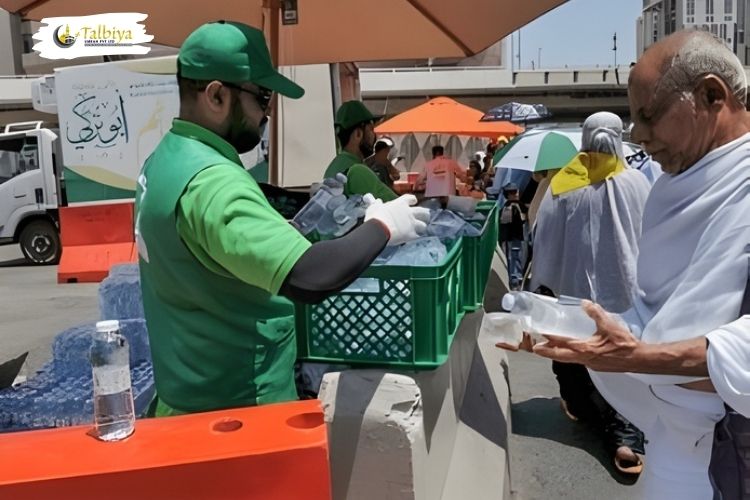
Zamzam water holds deep divine value during Hajj and Umrah, symbolizing purity, devotion, and a sacred bond with the rituals. Pilgrims drink this blessed water while performing Tawaf around the Kaaba and Sa’i between Safa and Marwa. It refreshes the body and strengthens the soul, offering both physical relief and emotional comfort. The importance of Zam Zam water lies in its origin and divine blessing. Many believe in the Zamzam water benefits, especially for healing, nourishment, and spiritual clarity. In some regions. It’s also called jam-jam water, cherished for its unique qualities. Among all holy waters. This one stands apart, energizing believers and connecting them to the sacred history of Makkah and the legacy of Prophet Ibrahim.
Conclusion
Zamzam water is more than just a drink. It's a divine gift deeply tied to the holy rituals of Hajj and Umrah. With roots in the story of Prophet Ibrahim, Hagar, and Ismail. This blessed water symbolizes mercy, healing, and unwavering faith. Pilgrims cherish Zamzam for its physical benefits and divine power, drinking it during key rituals and carrying it home as a treasured reminder of their journey. From curbing hunger to boosting immunity. Its virtues are both seen and felt. Following the Sunnah etiquette while drinking enhances its blessings. Truly, Zamzam water stands as a timeless miracle, connecting hearts to Allah and the sacred history of Makkah, making every sip a part of worship and remembrance.
Related Blogs:

Introduction
Hajj and Umrah are two sacred journeys that lead Muslims to Mecca, Saudi Arabia. While Umrah is optional and can be performed anytime. Hajj is a mandatory act of worship for those who are physically and financially able, forming one of Islam’s five core pillars. Both journeys are filled with divine moments of prayer, reflection, and a deep connection with Allah. A special part of both journeys is the use of Zamzam water. Found within Masjid al-Haram. This blessed water holds great value in Islamic tradition. So, what is Zam Zam in Islam? It’s believed to be a divine miracle linked to Prophet Ibrahim and his son Isma'il. Zamzam water benefits include physical healing, divine renewal, and strength. Many pilgrims drink it during Hajj, known as Hajj Zamzam water, and carry it home. Also referred to as Jam Jam water. Its benefits are precious to Muslims around the world.
Historical Background of Zam Zam Water
As narrated by Ibn ‘Abbaas. Prophet Ibrahim (peace be upon him) was commanded by Allah to take his wife Hagar and infant son Ismail to Makkah, which was then a lifeless desert. Obeying Allah. He left them with only dates and water. As time passed. Their supplies finished. Baby Ismail cried from thirst, and Hagar, desperate, ran between the hills of Safa and Marwa seven times in search of water. This act is now a key ritual of Hajj and Umrah. While crying, Ismail struck the ground with his heel, and to Hagar’s surprise, water began gushing forth. She quickly collected it and gave it to him to drink. This amazing spring was named Zamzam. The importance of Zamzam water is deeply divine. Many believe in Zamzam water benefits or even Jam Jam water benefits, from healing to blessings. It’s a source of mercy and countless rewards.
The Blessing of Zamzam Water
The Prophet (PBUH) said. The finest water on earth is Zamzam water. It serves as nourishment and a cure for illness. (Saheeh al-Jaami, 3302)
The story of the Zamzam well and its blessed water holds a special place in Islamic tradition. What makes it truly amazing are its unique qualities and divine significance. Among the many known benefits of Zamzam water are:
● Helps curb hunger pangs
● When applied to the eyes, it may improve eyesight and ease eye-related issues
● Reduces acidity and soothes the digestive system
● Prevents dental caries and supports oral health
● Acts as a rich source of nourishment, boosting overall health
● Fulfills the heartfelt wishes and duas of pilgrims
● Aids in repairing damaged skin cells
● Strengthens the body’s immune system
Discover 6 Amazing Truths About Zamzam Water
● Extremely Pure – Contains 366 mg/L of bicarbonates, making it one of the purest waters on Earth.
● Deep and Natural – The 30-meter-deep well draws water through mineral-rich rocks.
● Unique Taste – Clear, odorless, yet has a distinct and refreshing flavor.
● Healing Properties – Rich in calcium and magnesium, believed to aid healing.
● Boosts Immunity – Helps strengthen the body’s natural defenses.
● Naturally Nourishing – Packed with beneficial minerals for overall health
Sunnah Etiquettes for Drinking Zamzam
● Face the Qiblah – It is Sunnah to turn towards the Kaaba while drinking Zamzam water.
● Say Bismillah – Begin by saying Bismillah before taking a sip.
● Drink in Three Sips – Drink it in three separate breaths, not all at once, following the Prophet’s practice.
● Make a Dua – After drinking, thank Allah and make heartfelt duas, as Zamzam is known to fulfill sincere wishes.
Role in Hajj and Umrah Rituals
Zamzam water holds deep divine value during Hajj and Umrah, symbolizing purity, devotion, and a sacred bond with the rituals. Pilgrims drink this blessed water while performing Tawaf around the Kaaba and Sa’i between Safa and Marwa. It refreshes the body and strengthens the soul, offering both physical relief and emotional comfort. The importance of Zam Zam water lies in its origin and divine blessing. Many believe in the Zamzam water benefits, especially for healing, nourishment, and spiritual clarity. In some regions. It’s also called jam-jam water, cherished for its unique qualities. Among all holy waters. This one stands apart, energizing believers and connecting them to the sacred history of Makkah and the legacy of Prophet Ibrahim.
Conclusion
Zamzam water is more than just a drink. It's a divine gift deeply tied to the holy rituals of Hajj and Umrah. With roots in the story of Prophet Ibrahim, Hagar, and Ismail. This blessed water symbolizes mercy, healing, and unwavering faith. Pilgrims cherish Zamzam for its physical benefits and divine power, drinking it during key rituals and carrying it home as a treasured reminder of their journey. From curbing hunger to boosting immunity. Its virtues are both seen and felt. Following the Sunnah etiquette while drinking enhances its blessings. Truly, Zamzam water stands as a timeless miracle, connecting hearts to Allah and the sacred history of Makkah, making every sip a part of worship and remembrance.
Related Blogs:
1. Instant eSIM Now Available for Hajj, Umrah Pilgrims
2. Saudi Arabia Resumes Visa Issuance for India and 14 More Countries After the Hajj 2025
3. Saudi Arabia to Resume Umrah Visa Issuance from June 10
4. Why is Umrah Important During the Month of Ramadan?